
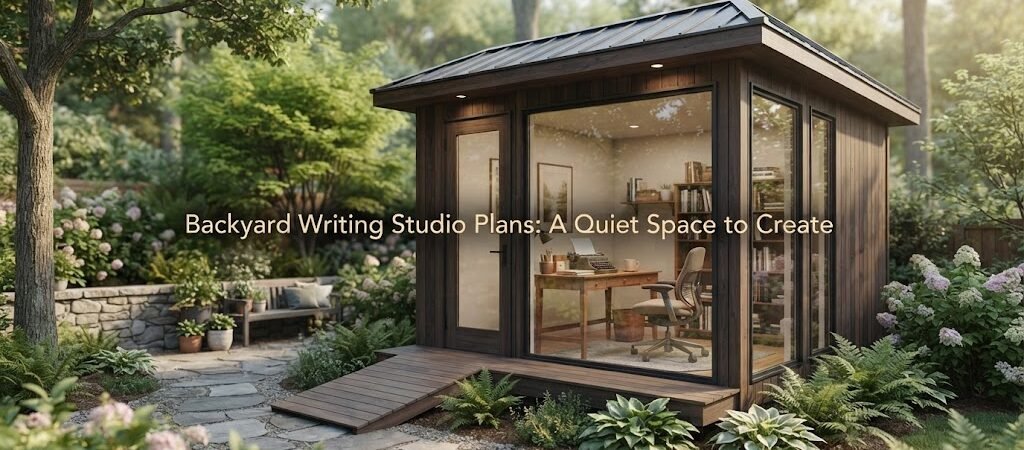
Backyard Writing Studio Plans: A Quiet Space to Create
Writing takes focus. When your kitchen table is covered in mail and the living room TV is always on, finding a quiet spot to write can feel impossible. A backyard writing studio solves this. It gives you a physical boundary between your daily chores and your creative work.
But finding the right plan is about more than just picking a small shed. You need a space that inspires you, keeps you comfortable, and blocks out distractions. A good plan starts with understanding what a dedicated workspace actually needs.

What Makes a Great Writing Studio Layout?
A writer needs a specific flow. You do not need a massive open floor plan. In fact, a smaller, cozier space often feels more inspiring. The best layouts put the desk near a natural light source without putting it directly in front of a glaring window. You also want room for a bookshelf, a comfortable chair for reading, and maybe a small side table for your coffee.
Think about how you move through the space. You should be able to sit down, start writing, and reach everything you need without getting up. Keep the layout simple. A rectangular or square footprint works best because it leaves you with clean wall space for shelves and art.
Sizing Your Backyard Studio
How big should it be? For a pure writing space, a 10 by 12 foot footprint is usually plenty. That gives you about 120 square feet to work with. It is large enough for a good desk, seating, and storage, but small enough to heat and cool easily.
If you go much larger, you risk turning it into a general storage shed. Keep the square footage focused on your actual daily needs. A smaller footprint also means lower building costs and a smaller foundation.
Lighting and Windows
Natural light is critical for a writing studio. But you have to be careful about window placement. Direct afternoon sun will create a harsh glare on your computer screen or your notebook.
Look for plans that include north-facing windows. These provide a steady, soft light throughout the day without the intense heat and glare of direct sun. Adding a skylight is another great option. It pulls light deep into the room and makes a small space feel much larger. Just make sure the plan includes proper flashing and insulation around the skylight to prevent leaks.
Keeping It Quiet and Comfortable
The main reason you are building this is to get away from noise. Standard shed construction will not cut it. You need a plan that accounts for proper insulation in the walls, floor, and ceiling.
Good insulation keeps the space warm in the winter and cool in the summer. It also muffles outside sounds like lawnmowers, traffic, or kids playing. Pay close attention to the doors and windows in your plan. Solid core exterior doors and double-pane windows make a huge difference in blocking noise. Weatherstripping around the door frame is a small detail that keeps the quiet inside.
Planning for Future Flexibility
Sometimes a writing studio evolves into something else. You might start using it for meditation, painting, or just relaxing with a book. If you are thinking about a structure that could serve more than one purpose over time, looking at pool house and cabana plans can give you great ideas for flexible, multi-use layouts. These designs often focus on creating a relaxing retreat atmosphere, which translates perfectly to a creative workspace.
Writers also tend to love a cozy, rustic vibe. If you want your studio to feel like a quiet cabin in the woods, a cabin plans collection offers design ideas that bring that warm, retreat-like feel to a small backyard workspace. Exposed beams, wood paneling, and a small porch can completely change the mood of the room.
Adding Guest Space Later On
What if you decide later that you want the studio to double as a place for overnight visitors? Adding a bathroom or a small kitchenette changes the game completely. You have to think about plumbing, ventilation, and separate living zones. An ADU and small home blueprint guide helps you plan a detached space that handles both work and guest accommodations. It shows you how to layout a small building so it functions well as a temporary living space without sacrificing your office area.
Site Placement and Utilities
Where you put the studio in your yard matters just as much as the floor plan. You want a quiet corner, but you also need to think about practicalities. You will need to run electricity to the building for lights, outlets, and maybe a mini-split heater. Trenching for electrical lines is easier if the studio is relatively close to your main panel.
Check your local setback rules before you pick the exact spot. Most towns require detached structures to be a certain distance from the property line. Also, think about the view from your main house. You want the studio to look nice from your kitchen window, but you also want the main windows of the studio to face away from your neighbor’s house for privacy.
Looking at the Bigger Picture
Building a detached studio is a great project, but it also changes how you use your yard. If you are looking at the whole property and thinking about how this studio fits with a future garage, shop, or main house expansion, reviewing a home plan collection can help you map out your entire property layout. Seeing everything on paper helps you avoid placing the studio in a spot where you might eventually want to build something else.

Finding Your Focus
A backyard writing studio is more than just a place to put a desk. It is a dedicated space to protect your focus and nurture your creativity. Take your time picking the right plan. Make sure it gives you the light, quiet, and layout you need to do your best work. Once the walls are up and the desk is set, you will wonder how you ever wrote anywhere else.